

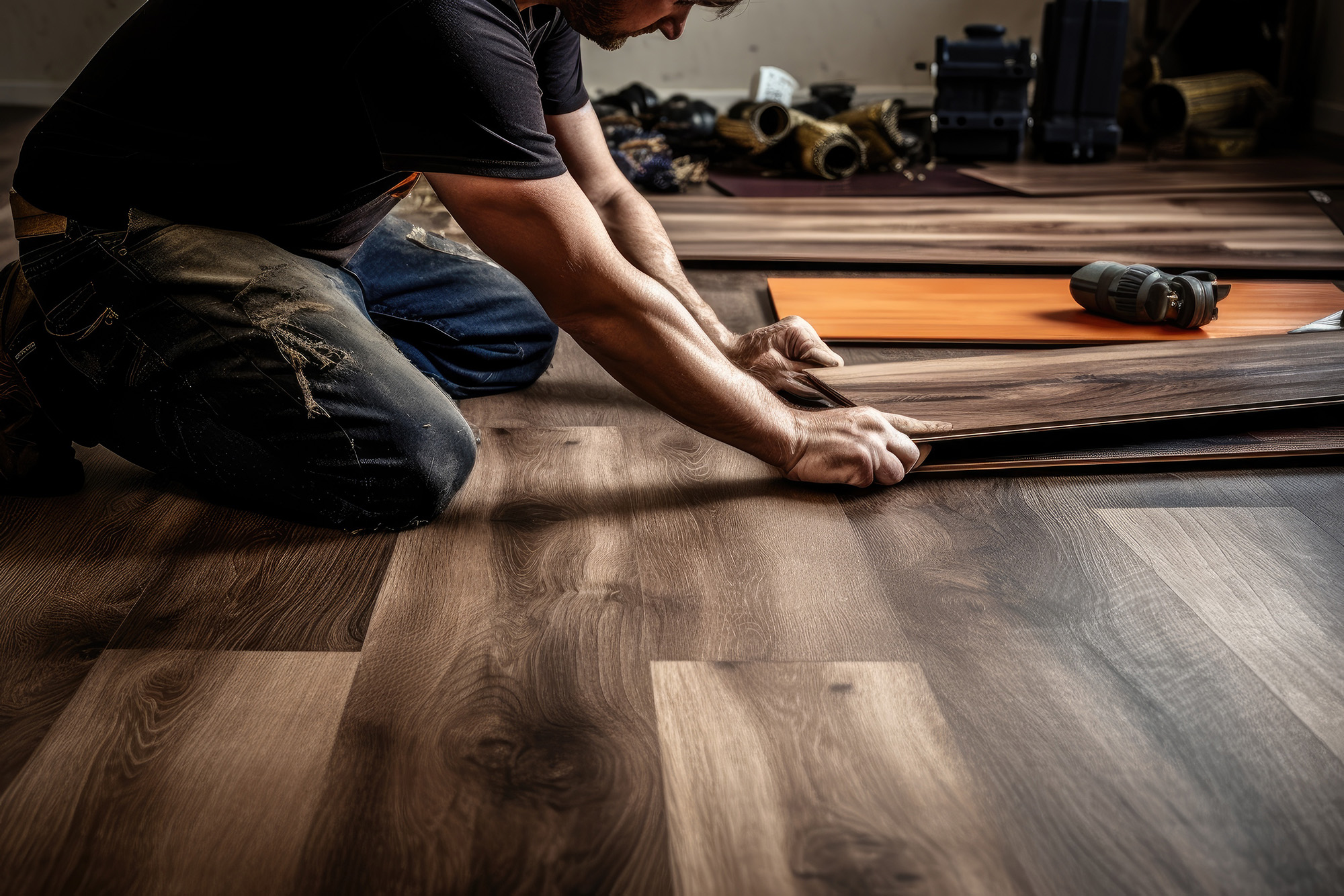
Homeowners pour money into renovations expecting the appraisal to follow, then get surprised when it doesn't. The lesson most people learn the hard way is that lenders and appraisers don't value effort or spend. They value what comparable homes nearby are selling for and what buyers in that market expect to see. Flooring sits right in the middle of that math.
In a neighborhood like Lakewood, full of well-kept older homes where wood floors are the baseline expectation, your flooring choice can either match the comp or quietly drag it down. It pays to understand the rules before you write the check.
How Renovation Loans Actually Look at Floors
Programs like the FHA 203(k) and Fannie Mae HomeStyle let you roll renovation costs into the mortgage, and they're underwritten against the home's after-renovation value, not against whatever you happened to spend. An appraiser estimates what the finished home is worth, and your borrowing power follows that figure.
That changes how you should think about flooring. Replacing worn carpet and dated vinyl with a finish that matches the neighborhood's standard isn't decoration in this context. It's one of the line items that lifts the after-renovation value the whole loan leans on. Confirm specifics with your lender and appraiser, since program rules and limits shift, but the principle holds.
What Moves an Appraisal Comp
Appraisers don't assign a fixed dollar value to "new floors." They adjust for condition and quality against comparable sales, and flooring drives both. A home with refinished or new hardwood reads as updated and move-in ready. The same home with stained carpet reads as a project, and buyers price the work back out.
In Northeast Ohio's older housing stock, hardwood carries particular weight because it's what the market expects. Tearing out carpet to reveal and refinish original wood is often one of the highest-return moves available, precisely because it restores the feature the comp assumes is already there.
Where Laminate Earns Its Place
Hardwood isn't the only answer, and a whole-house hardwood budget isn't always realistic. Quality laminate gives you a durable, wood-look surface that presents as a clean, updated floor, and that's a clear step up from tired carpet in the eyes of a buyer or an appraiser.
The strategy that tends to work best is simple. Put hardwood in the rooms buyers weigh most heavily, like the main living areas, and well-chosen laminate in secondary spaces. You match the neighborhood standard where it counts without overspending where it won't return.
Spend Where It Shows Up
A few habits keep flooring dollars working toward the appraisal:
Match the neighborhood baseline first, with wood or convincing wood-look in primary rooms.
Refinish existing hardwood before assuming you need to replace it.
Keep finishes consistent through connected spaces so the home reads as one cohesive update.
Scattered, mismatched flooring reads as unfinished, and unfinished is exactly what an appraiser marks down.
The smartest renovation flooring decision is the one made with the comp in mind, not just the swatch. The team at Pavich Flooring will help you weigh hardwood and laminate room by room so your investment lands where buyers and appraisers actually reward it.
We work with homeowners across Cleveland, Parma, Akron, Lorain, Elyria, and Lakewood, OH and know what the local market expects underfoot. Visit Mayfield Heights and North Royalton, OH to compare hardwood and laminate options in person, or contact us to plan a flooring upgrade built to move your number, not just refresh the room.


