
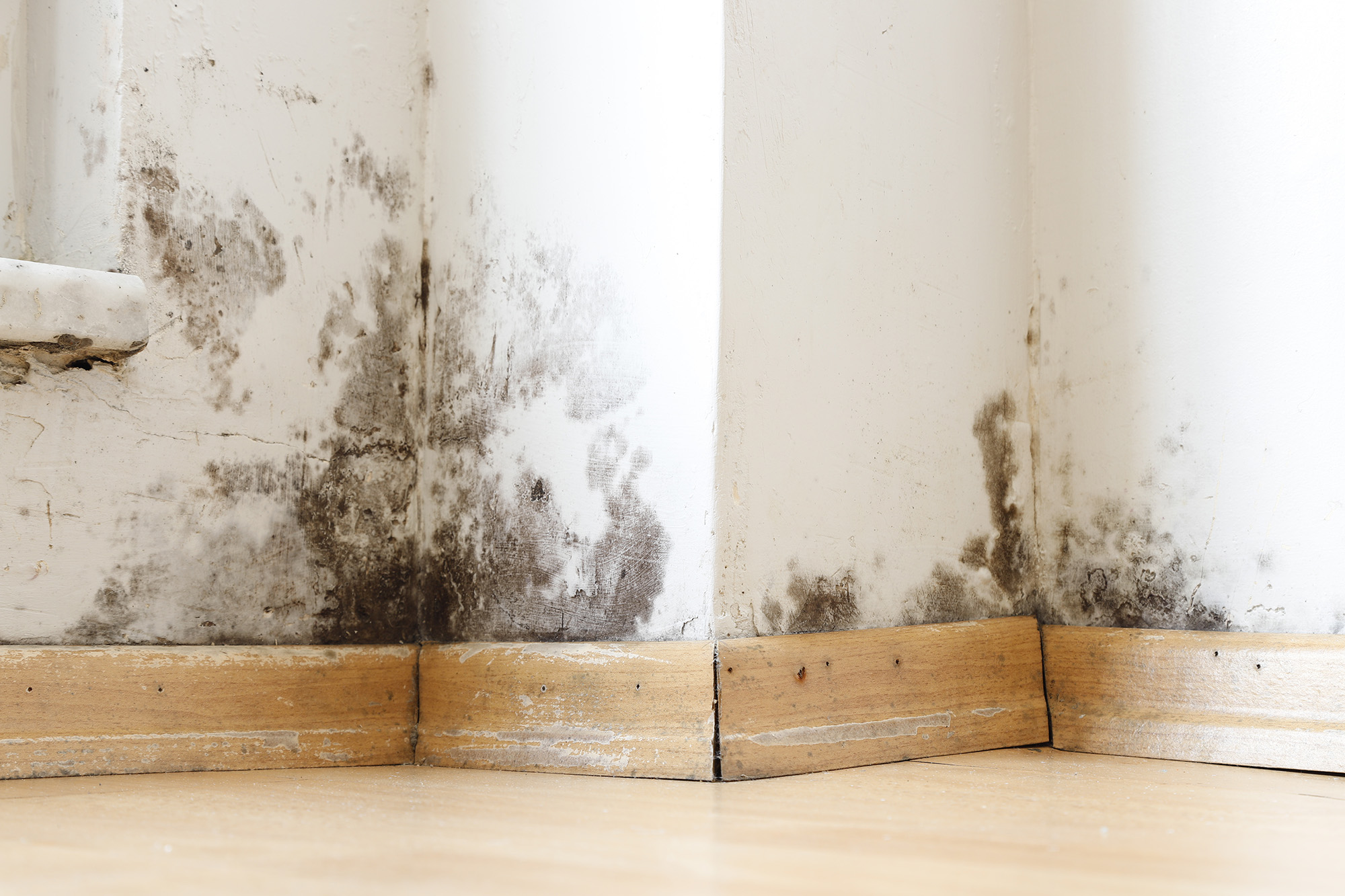
"Waterproof" is the word that sells flooring right now, and it's doing a lot of quiet damage in basements. Homeowners read it as a guarantee against moisture, install the planks over a bare concrete slab, and assume the job is done. Months later they pull up a corner and find the underside slick, discolored, and starting to smell.
The flooring did exactly what it promised. The problem is that the promise only covers one direction. Understanding the difference between waterproof and damp-proof is what separates a dry basement from a recurring mold project.
Waterproof Stops the Spill, Not the Slab
A waterproof plank resists liquid from above, like a spilled glass, a wet boot, or a pet accident. That's a real feature for a kitchen or a mudroom. It says nothing about moisture moving up from the ground beneath your home.
Concrete is not a sealed surface. A slab in contact with Cleveland's soil constantly draws and releases water vapor, a process called vapor drive. That vapor rises whether or not your floor is waterproof, and an impermeable plank sitting directly on the slab gives it nowhere to go.
How the Trap Forms
Lay a dense, waterproof floor straight onto an untreated slab with no vapor barrier and you create a sealed pocket. Moisture pushing up from below hits the underside of the planks, can't escape through them, and condenses in the dark, still space between materials.
That pocket is close to a perfect environment for mold and mildew, being damp, dark, and undisturbed. The floor above can look flawless for a year or more while colonies spread beneath it, which is why so many homeowners are blindsided when they finally lift a board.
The Steps That Actually Keep a Basement Dry
Preventing the trap is a subfloor problem, not a plank problem, and it's straightforward when it's handled before installation:
Test the slab's moisture with a meter before choosing anything, because guessing is how floors fail.
Install the correct vapor barrier between slab and floor for below-grade conditions.
Choose an assembly that manages the moisture your slab produces rather than sealing it in.
Skip these and even the most expensive waterproof plank becomes the lid on the problem instead of the solution.
Choosing the Right Floor Over a Slab
This is where matching the product to the conditions matters more than the marketing. A properly specified laminate or engineered wood floor, installed over a tested slab with the right moisture barrier and underlayment, performs reliably below grade, because the system underneath it is doing the real work.
The plank is only the visible layer. A floor that lasts in a Cleveland basement is built from the slab up, with the moisture path planned before the first board goes down.
Before you trust a "waterproof" label in your basement, get the layer beneath it checked. The team at Pavich Flooring will test your slab, specify the proper vapor barrier, and recommend a hardwood or laminate system designed to stay dry underneath, not just on top.
We help homeowners throughout Cleveland, Parma, Akron, Lorain, Elyria, and Lakewood, OH solve exactly this kind of below-grade moisture challenge. Stop by Mayfield Heights and North Royalton, OH to see basement-ready hardwood and laminate options, or contact us to schedule an assessment and floor your space the right way the first time.


