
Many flooring decisions are really maintenance decisions in disguise. Homeowners often think they are choosing a color or style, but what they are actually choosing is how visible everyday life will be on the floor. Dust, paw prints, fine grit, sock marks, mop haze, and light surface smudges do not appear equally on all floors. Some finishes expose every trace. Others soften it enough that the room still looks put together between cleanings.
That is the clean-home illusion. The best-looking floor is not always the one that stays perfectly clean. It is often the one that hides normal living well.
Why some floors show everything
Three things usually drive the problem:
Sheen level
Contrast level
Surface texture
High-sheen floors reflect more light, which makes smudges, streaks, and fine scratches easier to see. Very dark floors create strong contrast against dust and lint. Very light uniform floors can do the same with grit, hair, or darker debris. Smooth surfaces also make residue and footprints more visible because there is nowhere for the eye to “break up” what it sees.
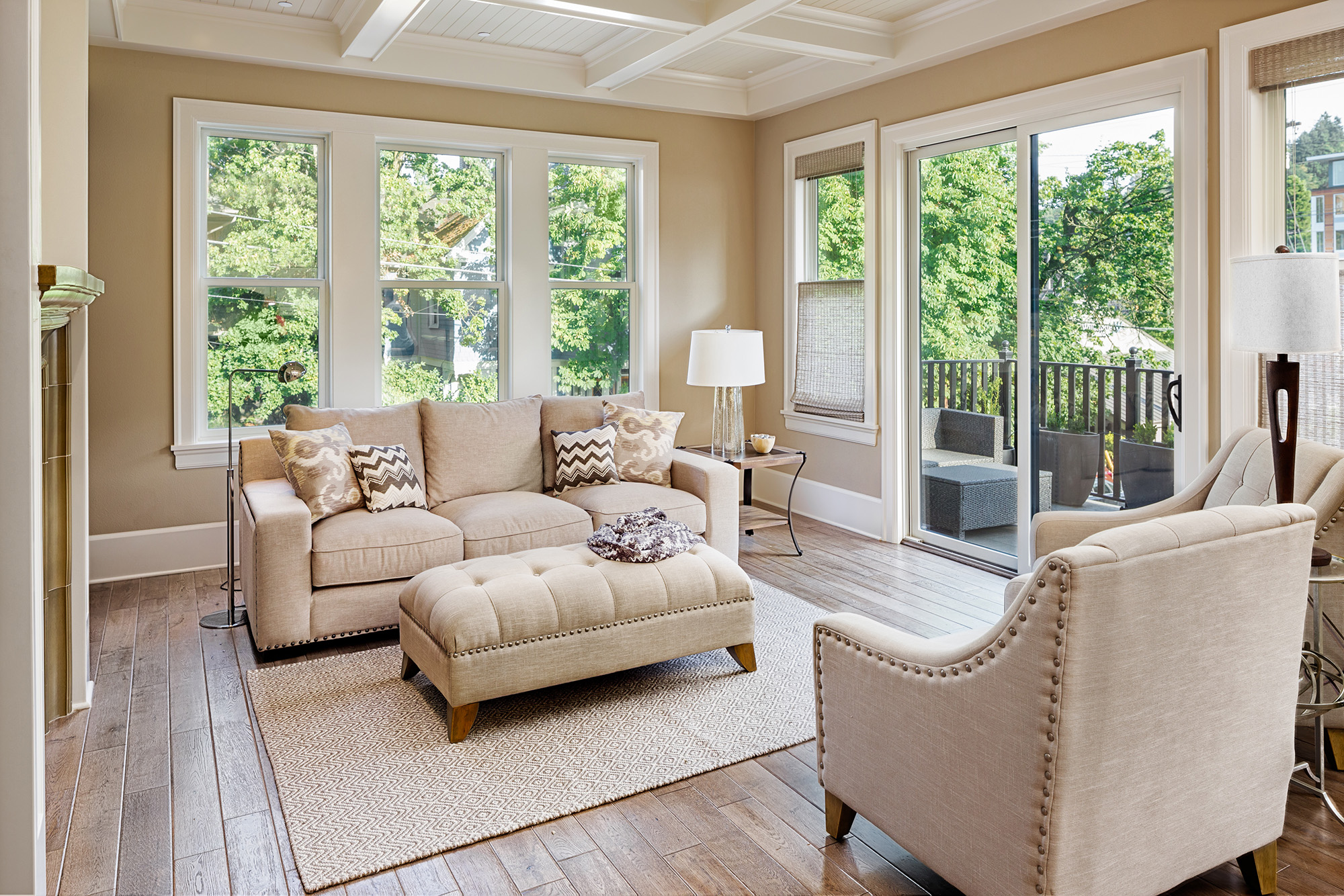
That is why a floor can be beautiful in a product photo but exhausting in a real house.
The best sheen levels for hiding daily mess
If your goal is a floor that looks cleaner, lower sheen usually wins.
Matte and low-luster finishes tend to hide:
Fine dust
Mop haze
Light streaking
Micro-scratches
Everyday footprint patterns
Satin can still perform well, especially if the color and texture are forgiving. High gloss is where the trouble starts for many households. It can look dramatic when freshly cleaned, but it usually demands more maintenance to stay that way.
For busy family homes, lower reflectivity often gives the best balance between style and sanity.
Color matters as much as finish
The easiest floors to live with are often mid-tone, lower-contrast colors with natural variation. These tones do a better job of disguising both light and dark debris.
Floors that commonly show more visible mess include:
Very dark espresso and near-black tones
Very glossy medium-dark browns
Very pale, flat, uniform surfaces with little variation
Floors with strong artificial contrast but minimal texture
A natural oak, medium warm brown, or softly varied taupe-brown often performs better in the real world than the extremes on either end.
Texture helps more than people realize
Texture is not just visual. It changes how light breaks across the surface.
Wire-brushed, embossed, or lightly textured floors often hide small debris and fine wear better than ultra-smooth finishes. In laminate flooring, embossed-in-register surfaces can make the visual pattern feel more believable while also helping daily marks read less harshly. In hardwood, natural grain variation and lower sheen usually work together to make the floor more forgiving.
Too much texture is not always ideal either, especially if you want a very sleek look. But a little surface character can do a lot of practical work.
The floors that look cleanest are rarely the most dramatic ones
This is the part buyers often discover after installation. Bold floors can look impressive in isolation, but the most livable floors are usually more balanced.
A floor that hides life well generally has:
A matte or low-satin finish
Mid-range color depth
Moderate variation from board to board
Some texture or grain presence
Low visual glare under artificial lighting
This kind of floor tends to age gracefully because it does not rely on perfection.
What about hardwood versus laminate
Both can be forgiving or unforgiving depending on the specific product. Hardwood with a low-sheen finish and natural variation can hide a lot. Laminate with realistic texture and moderate color movement can do the same. The problem is rarely the category by itself. It is the combination of sheen, color, texture, and lighting.
This is why product selection has to go beyond “We like dark floors” or “We want something modern.” A modern-looking floor can still be practical, but it needs the right finish profile.
Questions to ask before buying
If your home has pets, kids, or heavy daily traffic, ask these questions:
What is the sheen level?
How much variation is there from plank to plank?
Is the surface smooth or textured?
How does this floor look under warm indoor lighting?
Does this finish tend to show mop streaks?
What does it look like in a large installed area, not just a sample?
Those questions lead to better outcomes than color alone.
A floor that always looks clean is usually not magic. It is the result of smart choices in sheen, undertone, texture, and contrast. If you want less visual maintenance and a home that still feels polished between cleanings, the right finish matters just as much as the right product category.
Visit Mayfield Heights and North Royalton, OH to compare hardwood and laminate options with Pavich Flooring in person. We work with homeowners across Cleveland, Parma, Akron, Lorain, Elyria, and Lakewood, OH to find flooring that looks good in real life, not just in a sample display. Contact us for help choosing a finish that fits your lighting, traffic, and daily routine.


