

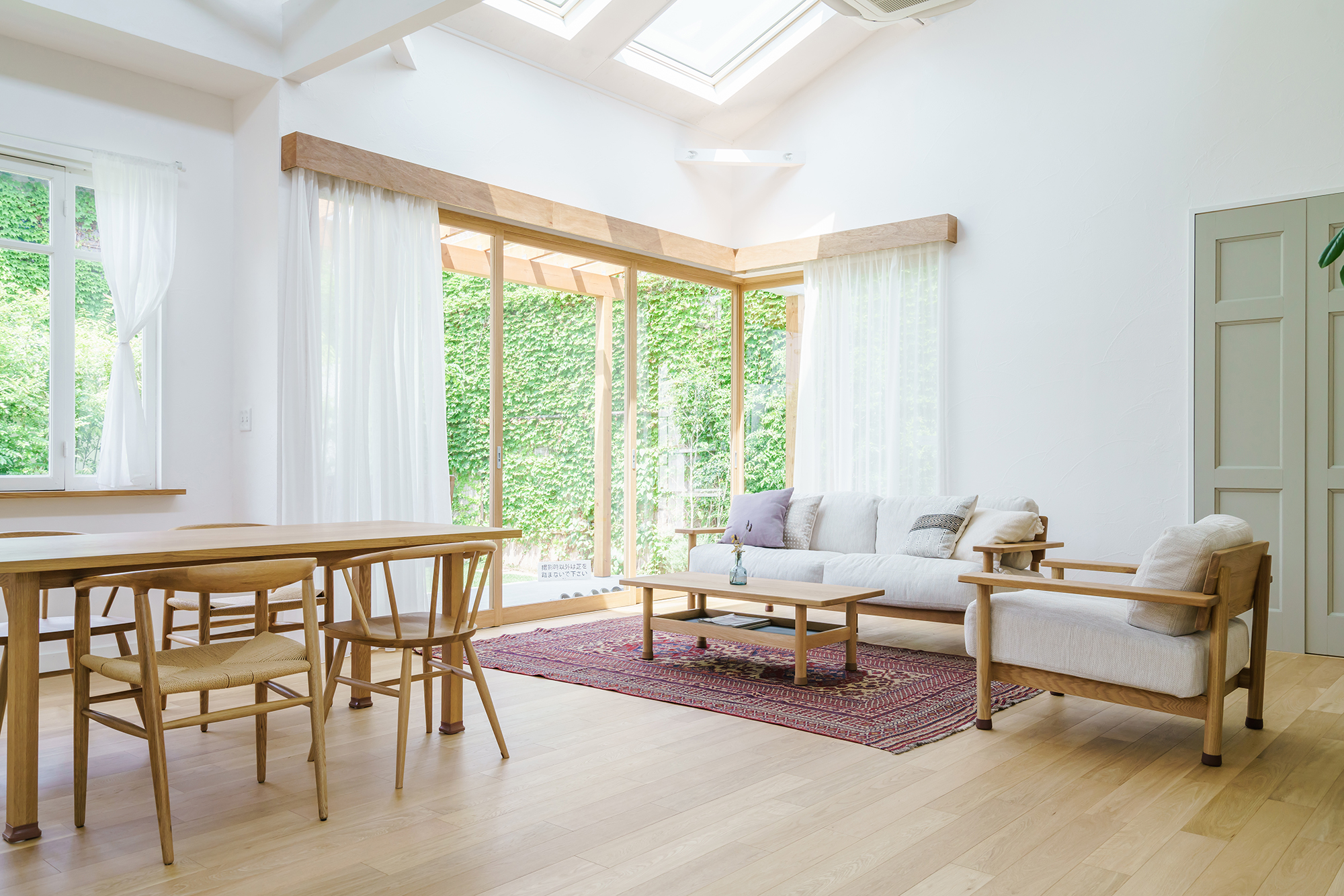
A home can be clean and still feel busy. Sometimes the problem is not the furniture, paint color, or décor. Sometimes the floor is doing too much. Flooring covers more visual space than almost anything else in a room, which means the wrong tone, finish, or plank pattern can make a home feel colder, louder, or more cluttered than it really is.
For homeowners looking at hardwood or laminate flooring, the goal is often simple: make the house feel warmer, calmer, and easier to live in. The best floor for that job is not always the trendiest sample. It is the floor that works quietly in the background and helps every room feel connected.
Choose warmth without going too yellow
Warm flooring does not have to mean orange, honey, or overly rustic. Many homeowners want warmth, but they do not want the house to feel dated. The sweet spot is usually a balanced warm neutral. Think natural oak, light brown, soft beige, muted walnut, or greige wood tones that feel inviting without turning golden under indoor lighting.
This matters because floors shift depending on daylight, wall color, and cabinet color. A sample that looks neutral in the store can look yellow next to cream walls or pink next to certain wood trim. Before choosing, look at flooring samples in the rooms where they will be installed. Morning light, evening light, and artificial light can all tell a different story.
Reduce visual noise with controlled plank variation
Some floors look exciting in a small sample because they have dramatic grain, strong knots, and bold color changes. Across a whole room, that same variation can become visually tiring. If the goal is a calmer home, look for flooring with controlled movement and softer contrast between planks.
That does not mean the floor has to be plain. A little natural grain gives the room depth. The key is balance. Too much variation can fight with furniture, rugs, artwork, cabinets, and wall colors. A calmer floor lets the room breathe, especially in open layouts where the same flooring runs through several spaces.
Pay attention to sheen
Shiny floors can make a room feel busier because they reflect windows, lights, furniture legs, and movement. They may also show scratches, dust, and footprints more quickly. For homes that need a softer, warmer feeling, matte and low-sheen finishes are usually easier to live with.
Low-sheen hardwood and laminate flooring can make a room feel more natural and settled. These finishes tend to hide everyday wear better, especially in family rooms, hallways, bedrooms, and homes with pets. The finish should still be easy to clean, but it should not create glare or make the floor feel like a polished surface competing for attention.
Use consistent flooring to calm the layout
Too many flooring changes can make a home feel chopped up. This is common in older homes, split-level homes, and houses that have been updated in stages. One room has old carpet, another has laminate, another has tile, and the hallway has a different wood tone. Even if each material is fine on its own, the overall effect can feel cluttered.
Running the same hardwood or laminate through connected spaces can make the home feel larger and calmer. This works especially well between living rooms, dining rooms, hallways, and bedrooms. When different flooring is needed, the transition should be intentional and clean, not a leftover decision made at the doorway.
Choose texture based on real life
Texture can help a floor feel warmer and more forgiving. Smooth floors look clean and classic, but they may show dents or surface marks more clearly depending on the finish. Wire-brushed or lightly textured floors can hide small scratches, dust, and daily wear better, especially in active homes.
The trick is not to overdo it. Heavy scraping or aggressive texture can look too rustic for some interiors and may collect dirt in grooves. For a calm, practical home, a subtle texture is often the best middle ground. It gives the floor character without making the room feel visually heavy.
Let the floor support the room, not dominate it
A calm home usually has a clear hierarchy. The floor should support the furniture, light, and architecture. If the floor is extremely dark, glossy, patterned, or high-contrast, it may become the loudest part of the room. That can work in some design styles, but it is not usually the easiest path to a warm and uncluttered home.
For most homeowners, the best flooring choice is one that still looks good after the trend cycle moves on. Natural wood visuals, moderate plank widths, low-sheen finishes, and balanced tones have staying power because they work with many furniture styles. That is especially helpful for families who update décor gradually rather than redesigning the whole house at once.
The best floors for a calmer home are usually warm, balanced, durable, and visually quiet. Whether you choose hardwood or laminate, focus on undertone, sheen, plank variation, texture, and how the flooring connects one room to the next. A good floor should make the home feel more settled the moment you walk in.
Visit Mayfield Heights and North Royalton, OH to compare flooring samples in person and see how different tones and finishes look under real light. Pavich Flooring helps homeowners across Cleveland, Parma, Akron, Lorain, Elyria, and Lakewood, OH choose laminate and hardwood flooring that fits their home, lifestyle, and budget. Contact us to get practical advice before you commit to a floor.


