

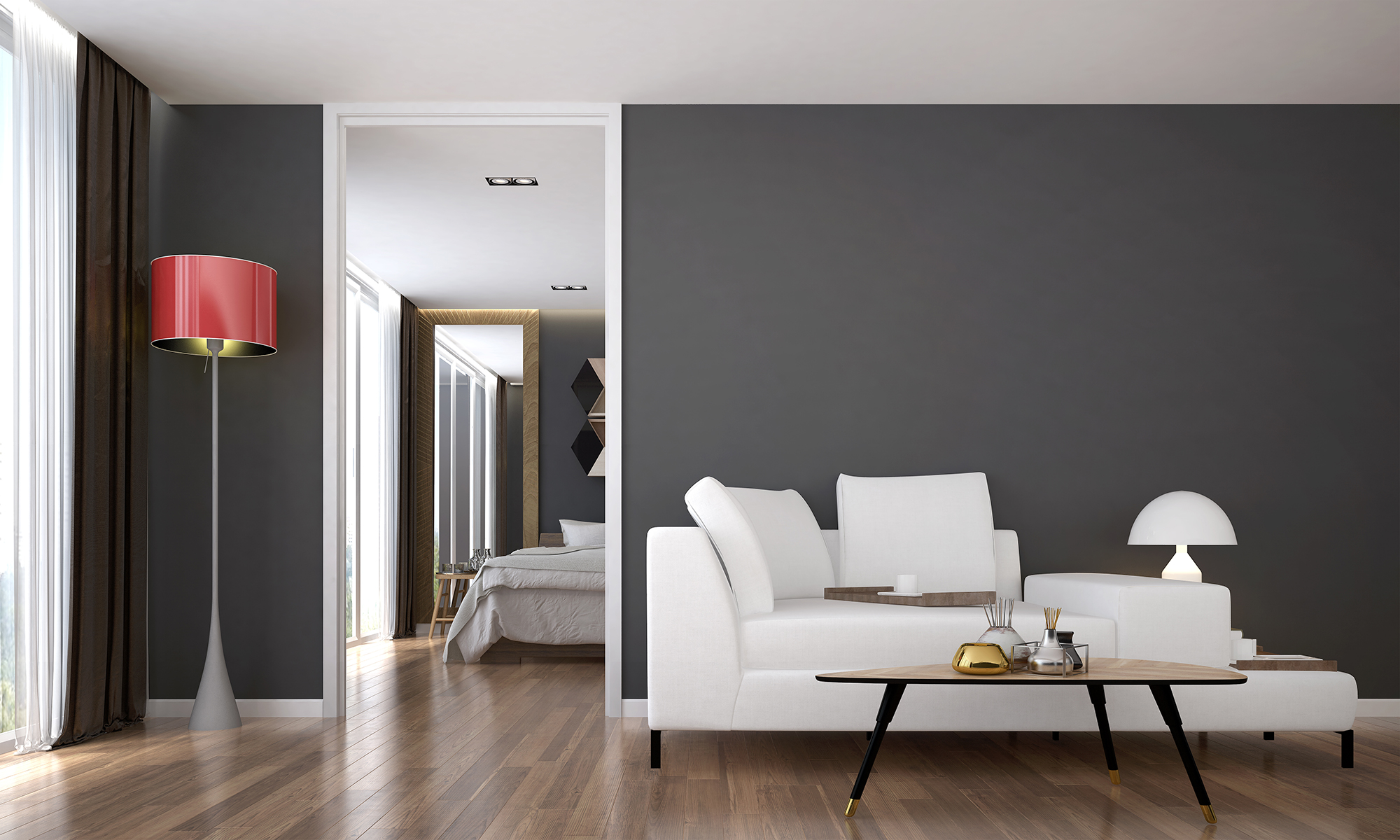
Small rooms ask more from flooring than people think. A reading nook, home office, study corner, or quiet room is not just another square footage decision. It is a room where the floor has to feel comfortable underfoot, support furniture, reduce distraction, and work with the lighting, wall color, and sound of the space.
For homeowners choosing between hardwood and laminate flooring, the best option depends on how the room is used. A quiet office with a rolling chair has different needs than a cozy reading corner with an armchair and lamp. The right floor should look warm, feel stable, and handle daily use without turning the room into a cold, echo-heavy box.
Start with how the room needs to feel
Before comparing samples, think about the mood of the space. Quiet rooms usually benefit from flooring that feels grounded rather than glossy or busy. Mid-tone oak, natural maple, warm brown, muted walnut, and soft greige wood visuals tend to work well because they add warmth without making the room feel heavy.
Very dark floors can look rich, but in a small room they may show dust, pet hair, and chair marks more quickly. Very pale floors can brighten a space, but they may feel stark if the room already has white walls, bright trim, or cool daylight. For reading nooks and home offices, a balanced wood tone usually gives the room a softer, more settled feeling.
Think about sound before style
Sound matters in quiet rooms. Hardwood has a natural, solid feel, but it can reflect more sound if the room has bare walls, minimal furniture, or no rugs. Laminate can also sound hollow if installed over the wrong underlayment or an uneven subfloor. That does not make either option wrong. It simply means the installation details matter.
For laminate flooring, underlayment is especially important. A quality underlayment can help reduce footfall noise, soften the feel slightly, and improve the room’s overall acoustics. For hardwood, area rugs, felt furniture pads, curtains, and soft furnishings can help absorb sound. The goal is not silence. The goal is a room that does not feel sharp, clicky, or distracting.
Match the floor to the furniture
Home offices and reading rooms often include concentrated furniture loads. Desks, bookcases, filing cabinets, rolling chairs, and heavy armchairs can all affect how a floor performs. If the room has a desk chair with casters, the flooring needs good surface durability and the chair should sit on a proper mat designed for hard floors.
Hardwood can be a strong long-term choice if the homeowner values natural material, refinishing potential, and a more permanent look. Laminate can be a smart practical option when scratch resistance, budget control, and easy maintenance are priorities. In either case, heavy bookcases should sit level, furniture should have protective pads, and rolling chairs should not grind directly into the surface.
Pay attention to plank size and visual movement
In a small quiet room, plank style can change the whole feeling of the space. Wide planks can make a room feel cleaner and more open, but if the wood grain is too dramatic, it may compete with books, art, furniture, and décor. Narrower or medium-width planks can feel more traditional and may suit older homes with detailed trim or built-ins.
For a calm room, avoid choosing a floor with too many strong color changes from plank to plank. High-contrast variation can look beautiful in a showroom, but it may feel visually noisy in a room meant for reading, writing, or focused work. A smoother grain pattern and controlled variation usually create a more restful backdrop.
Choose the finish carefully
Finish level matters more than many homeowners expect. A high-gloss floor can bounce light around the room, show scratches more easily, and create glare near windows or desk lamps. Matte and low-sheen finishes are usually better for reading nooks and offices because they soften reflections and hide everyday marks better.
For hardwood, look at the finish durability, sheen, and maintenance requirements. For laminate, review the wear layer, surface texture, and AC rating. A slightly textured surface can help the floor feel more natural, but aggressive texture may collect dust in a small room with lots of furniture. The best finish is the one that looks good in real light and still performs after months of daily use.
Do not ignore the subfloor
Quiet rooms often reveal installation problems because there is less background noise to hide them. A subfloor that is not flat can cause laminate to flex, click, separate, or sound hollow. Hardwood also needs proper subfloor preparation to avoid movement, squeaks, and uneven performance.
Before installation, the subfloor should be checked for flatness, moisture concerns, and structural issues. This is especially important in older homes, upstairs rooms, and converted spaces. A beautiful floor will not feel premium if every step has a sound effect.
The best flooring for a reading nook, home office, or quiet room is not only about color. It is about warmth, sound, furniture use, finish, and installation quality working together. When those details are handled correctly, the room feels calmer and more finished without needing a major renovation.
For help comparing laminate and hardwood flooring in person, visit Mayfield Heights and North Royalton, OH. Pavich Flooring serves homeowners across Cleveland, Parma, Akron, Lorain, Elyria, and Lakewood, OH with practical flooring advice, quality products, and installation guidance. Contact us to find the right floor for a quiet room that needs to look good and live well.


